Structural Engineering Calculations
Beam calculations, foundation design, and structural assessments by certified chartered engineers.
Overview
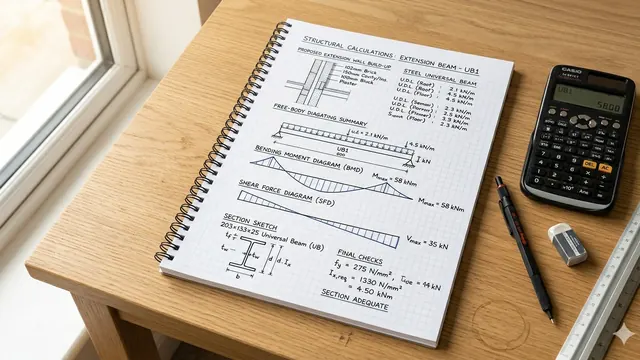
Structural calculations are the engineering backbone of any building project. They ensure that your extension, loft conversion, or internal alteration is structurally safe and compliant with Building Regulations Part A (Structure). Our structural engineering partners are chartered engineers (CEng MIStructE) who provide calculations accepted by all UK building control bodies. From steel beam sizing for removed load-bearing walls to foundation design for new extensions, we coordinate the structural engineering alongside our architectural drawings to deliver a complete, cohesive package. This means no conflicting information between your architectural and structural drawings — everything fits together because we manage the process end to end.
What's Included
- Steel beam & lintel calculations
- Foundation design (strip, trench fill, pad, piled)
- Load-bearing wall removal assessments
- Roof structure analysis & design
- Floor joist sizing & strengthening specifications
- Structural report & engineer certification
- Padstone and bearing details
- Temporary works guidance (props, needles)
Why Choose QM Designs
Chartered Engineers
All calculations are prepared by chartered structural engineers (CEng MIStructE or CEng MICE) with full professional indemnity insurance.
Building Control Accepted
Our structural reports and calculations are accepted by every local authority building control department and approved inspector in the UK.
Coordinated with Drawings
Because we manage both the architectural drawings and structural coordination, everything is consistent. No mismatches between your plans and your engineer's specifications.
Fast Turnaround
Standard structural calculations are completed within 5–7 working days. Urgent service available for time-critical projects.
Cost-Effective Solutions
Our engineers design efficient structural solutions — specifying the right size steel (not oversized), which saves you money on materials without compromising safety.
Our Process
Review architectural drawings and project scope
Structural analysis — loads, forces, and load paths
Calculation production by chartered engineer
Engineer certification and professional sign-off
Integration with architectural drawing package
Building control submission
On-site support and queries during construction
Key Considerations
When Do You Need Structural Calculations?
You need structural calculations for: removing or altering load-bearing walls, installing steel beams (RSJs), loft conversions (floor strengthening, ridge beams), extensions (foundations, roof structure), underpinning, and any work where the structural integrity of the building is affected. Building control will not approve work involving structural changes without engineer-certified calculations.
Types of Structural Elements
Common structural elements include: steel beams (UB, UC, PFC sections) for wall removals and loft conversions, lintels above new window and door openings, padstones to distribute loads from beams to masonry, foundations (strip, trench fill, or piled depending on ground conditions), and timber or steel floor joists.
The Role of Temporary Works
When removing load-bearing walls or installing steels, temporary support (props, needles, and dead shores) is needed during construction. Our calculations include temporary works guidance so your builder knows exactly how to safely carry out the structural alterations.
Frequently Asked Questions
Do I need structural calculations?
Yes, for most building work involving structural changes — removing walls, adding steels, loft conversions, extensions, and any work where loads need to be calculated. Building control requires engineer-certified calculations before approving structural alterations.
Who provides the structural calculations?
We work with qualified chartered structural engineers (CEng MIStructE) who prepare all calculations. They carry full professional indemnity insurance and their work is accepted by all UK building control bodies.
How long do structural calculations take?
Standard calculations are completed within 5–7 working days from receipt of finalised architectural drawings. Urgent turnaround (2–3 days) is available for time-critical projects.
What's included in the structural report?
A typical structural report includes: loading calculations, beam/steel sizing with steel grade and section size, foundation design (if applicable), connection details, padstone specifications, temporary works guidance, and a professional sign-off by the chartered engineer.
Do structural calculations expire?
Calculations themselves don't expire, but Building Regulation approvals do — you must start work within 3 years. If regulations or standards change significantly between the calculation date and construction, updated calculations may be needed.
Can I use a different structural engineer?
Yes, you're free to appoint your own structural engineer. However, when we coordinate the structural engineering, we ensure consistency between the architectural and structural drawings — reducing the risk of errors and delays.
What size steel do I need to remove a wall?
Steel beam size depends on the span (width of opening), the loads above (roof, floors, walls), and the bearing capacity of the supporting structure. There's no standard answer — every situation requires specific calculations. This is exactly what our structural engineers determine.
Are calculations needed for a simple knock-through?
If the wall is load-bearing, yes. Even a small opening in a load-bearing wall requires structural calculations to size the lintel or beam correctly. If the wall is non-load-bearing (a partition), calculations aren't usually needed — but you should always verify before removing any wall.
Need Structural Engineering Calculations?
Get a free, no-obligation quote tailored to your project. We respond within 24 hours.